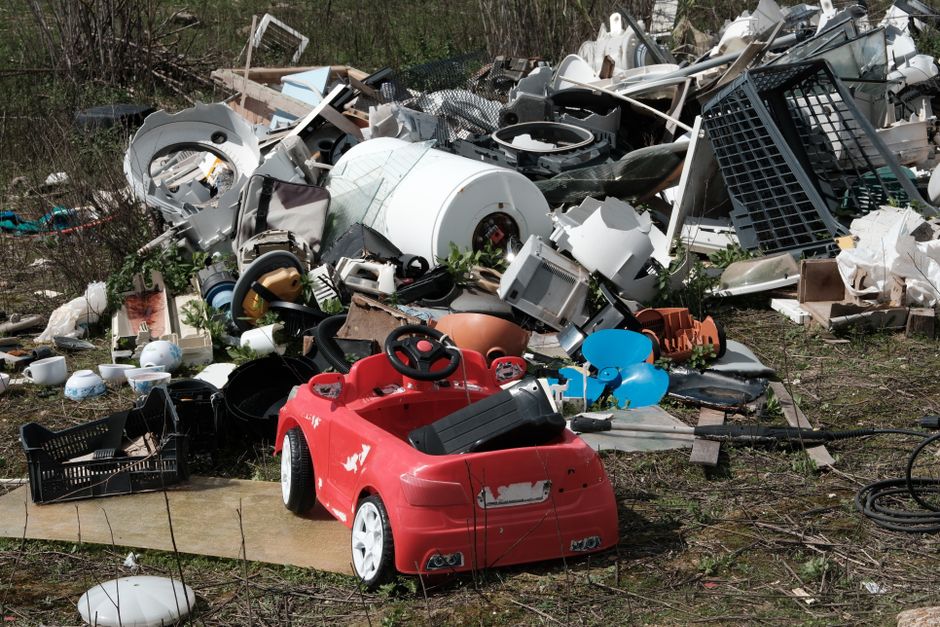
Legal disposal of household waste in Enfield after moving: a practical guide
Moving home is messy enough without staring at a hallway full of flattened boxes, old kitchen bits, broken shelving, and that one chair you've been meaning to get rid of for ages. If you've just relocated and need to sort out the legal disposal of household waste in Enfield after moving, the good news is this: once you understand the basics, it becomes much more manageable. The tricky part is knowing what counts as household waste, what needs special handling, and how to avoid the sort of disposal mistakes that can lead to fines, missed collections, or a nuisance for the next person living there. Let's make it straightforward.
In this guide, you'll find a clear explanation of how lawful household waste disposal works in Enfield, the practical steps to take after moving, what to avoid, and how to decide whether recycling, council collection, reuse, or a professional clearance is the smartest route. If you're still in the thick of the move itself, it may also help to brush up on decluttering before you unpack and keeping the move itself less chaotic. A calm start makes the rest easier. Funny how that works.
Why Legal disposal of household waste in Enfield after moving Matters
After a move, waste builds up fast. Packaging materials, old furniture, food packaging, damaged items, redundant household bits, and the small mountain of "I'll deal with that later" objects can all pile into a real problem. The legal side matters because waste does not stop being your responsibility just because you have handed back keys or changed addresses. If you leave items in the wrong place, use an unsuitable service, or let rubbish spill into a communal area, the consequences can land on you, your landlord, your managing agent, or even your neighbours.
There's also a practical side to this. Legal disposal is usually safer, cleaner, and less stressful. You avoid fly-tipping risks, reduce the chance of contamination in recycling, and make it more likely your belongings go where they should. To be fair, the phrase "legal disposal" can sound a bit stern. In reality it mostly means one thing: dispose of waste through approved routes, with enough care that you are not creating problems for anyone else.
It also matters in Enfield because urban streets, shared bins, limited driveway space, and busy collection schedules can all complicate things. A pile of cardboard may seem harmless at 8 a.m., but by lunch it can be soggy, scattered, or blocking a footpath. That's the kind of thing that turns a quick tidy-up into a neighbour complaint. Nobody wants that on move-in week.
How Legal disposal of household waste in Enfield after moving Works
The basic principle is simple: separate the waste you have, identify the right disposal route, and use a lawful method that suits the material. In practice, that usually means sorting waste into a few broad groups rather than treating everything as one big dump bag.
Most post-move waste falls into one of these buckets:
- General household waste such as mixed rubbish, broken household items, and non-recyclable packaging.
- Cardboard and paper from boxes, inserts, and packing materials.
- Plastic, metal, and glass packaging where local recycling rules allow it.
- Bulky household items such as sofas, wardrobes, beds, mattresses, and white goods.
- Special or restricted items such as paint, batteries, lightbulbs, chemicals, gas canisters, and electricals.
The right disposal route depends on what you have and how much of it there is. For a small amount of clean cardboard, recycling is often the obvious place to start. For bulky items, you may need a council-approved bulky waste service, a reuse channel if the items are still usable, or a clearance provider that can legally handle mixed loads. If you are dealing with a particularly awkward item, such as a sofa that has seen better days, it can help to read the practical advice in how to dispose of bulky waste during a move. Different items need different treatment. Annoying, yes. Necessary, also yes.
One thing people often overlook is timing. If you're moving out of a flat, house, or shared property, waste should be cleared promptly so it does not become a tenancy issue or obstruct access. Emptying a property cleanly is not just courteous. It's part of keeping your move tidy and defensible if there's a handover dispute later. You may also want to check move-out cleaning guidance for renters because rubbish and final cleaning often go hand in hand.
Key Benefits and Practical Advantages
Doing disposal the right way gives you more than just peace of mind. It keeps the moving process tidy, protects your deposit if you rent, and makes the property easier to hand over or settle into. In a neighbourhood like Enfield, where access, parking, and shared space can already make moving feel a bit like a tactical exercise, that extra organisation matters.
Here are the main advantages of staying legal and organised:
- Less risk of penalties or complaints from improper dumping or obstruction.
- Cleaner handover if you're leaving a rental or selling a home.
- Better recycling outcomes because materials are separated properly.
- Faster unpacking once the clutter is gone and you can see what is actually left.
- Less physical strain because you are not carrying waste back and forth multiple times.
- Safer living space during the fragile first days after a move, when boxes and loose rubbish can become trip hazards.
There's another benefit that people don't always mention: mental clarity. A room full of half-open bags and old packaging does something odd to your brain. It makes everything feel unfinished. Clearing waste legally and quickly gives you a little reset, which is oddly powerful after a move. One less job hanging over you. One less thing.
Who This Is For and When It Makes Sense
This topic is relevant to almost anyone who has just moved into, out of, or within Enfield. But some people feel the pressure more than others.
- Renters who need to leave a property spotless and avoid deductions.
- Homeowners clearing out old furniture or damaged household goods.
- Families with a lot of packaging, toys, broken items, and room-by-room waste.
- Students moving between halls, shared houses, or term-time accommodation.
- Landlords and letting agents dealing with leftover household clutter after a tenancy ends.
- People in smaller flats where storage space is limited and waste builds up quickly.
It makes sense to focus on legal disposal as soon as you know what won't be keeping. If a chair is broken beyond repair, if a mattress has been left in poor shape, or if old appliances are not worth the effort of storing, it is usually better to deal with them early rather than drag them around for another week or two. If you are dealing with heavier bits of furniture, it can also help to review bed and mattress moving tips so you can decide what stays, what goes, and what needs extra care.
And if you are in a hurry because the keys are being handed over this afternoon? Then yes, a same-day approach may be the only practical option. In that case, it is worth understanding what to expect from urgent last-minute moves. Waste does not care that your timetable is chaotic, unfortunately.
Step-by-Step Guidance
If you want a simple working process, use this one. It keeps the job moving and reduces the chance of making a messy decision under pressure.
- Walk through the property room by room. Make three piles: keep, donate/reuse, dispose.
- Separate recyclable materials. Flatten cardboard, remove food contamination, and keep recyclables dry.
- Identify bulky items early. Sofas, tables, chairs, wardrobes, and beds need more thought than bagged waste.
- Check what can be reused. Good-condition household items may be suitable for donation or resale rather than disposal.
- Set aside restricted waste. Batteries, paint, and electrical items should not be mixed casually with normal rubbish.
- Choose the correct disposal route. That may mean council services, recycling, a licensed clearance service, or a charity collection where appropriate.
- Keep paperwork or confirmations. If you booked a service, save the booking details. If you handed items to a reuse organisation, keep a note of what went and when.
- Clear pathways last. Once the rubbish is out, do a final sweep for nails, tape, broken glass, and loose packaging.
If you are using a van, think about access and loading before collection day. Narrow streets, parking pressure, and permit concerns can slow everything down. A quick read of permit rules for removals in Enfield and street closure guidance for local removals can save you a headache later. Better to know before you are standing by the kerb with a sofa and a face full of regret.
Expert Tips for Better Results
Here are the small decisions that make a big difference.
1. Work from the dirtiest or bulkiest items first. Once those are dealt with, the rest of the process feels lighter. Cardboard is easy. The broken chest of drawers is not.
2. Keep wet waste away from recyclable materials. One leaking bag can ruin a whole stack of cardboard or paper. It's a tiny thing, but it really matters.
3. Don't let rubbish become storage. If you put disposal "on hold" in the corner of a spare room, it tends to stay there. Then one week becomes three.
4. Use the move as a decluttering reset. If something has followed you through two or three homes and you have not used it, maybe it has had its time. That's not wastefulness. That's common sense.
5. Be careful with lifting. Waste bags can be deceptively heavy, especially after a move when you're already tired. Good lifting technique helps, and so does not pretending you are invincible. We've all done that. Usually at the wrong time.
One small but useful habit: keep a "questionable items" box. Anything you are unsure about goes there until you decide whether it can be reused, recycled, or needs special handling. This avoids mixing the wrong things together in a rush.
For particularly awkward lifting or moving decisions, a bit of planning goes a long way. You may find kinetic lifting techniques and single-handed lifting advice for heavy objects helpful when waste items are also awkward furniture pieces.
Common Mistakes to Avoid
People usually do not get disposal wrong because they are careless. They get it wrong because they are tired, in a hurry, or trying to save time. Fair enough. Moving is exhausting. But a few predictable mistakes are worth avoiding.
- Leaving waste beside communal bins and hoping it counts as disposal. It usually does not.
- Mixing hazardous items with general rubbish, especially batteries, paint, and chemicals.
- Assuming all electricals are fine in a general waste pile. They are not.
- Dumping items on the street after dark because "it will be picked up in the morning". That's not a plan. That's a problem.
- Booking a clearance service without checking what it can legally handle. Not every service is suitable for every material.
- Forgetting the final tenancy condition that the property must be cleared and clean on handback day.
Another common miss is forgetting that waste can attract pests or create odours very quickly, especially in warmer weather. A half-open bag of packaging mixed with food scraps is not something you want sitting around for long. You can smell it before you see it sometimes. Not ideal on moving week.
Tools, Resources and Recommendations
You do not need a huge toolkit to manage waste properly, but a few items make the process smoother:
- Strong refuse sacks for general waste.
- Cardboard cutter or box knife for flattening packaging safely.
- Gloves to protect hands from staples, splinters, and dirty surfaces.
- Marker pens and labels for separating reuse, recycle, and dispose piles.
- Reusable crates or tubs if you are sorting items during unpacking.
- Tape, string, or ties to bundle cardboard neatly.
On the service side, the most useful thing is usually not a one-size-fits-all answer but a sensible combination of methods. For example, you may choose to recycle cardboard yourself, pass on reusable furniture, and arrange professional help for the leftovers. If you are weighing up support options, pages like recycling and sustainability and the services overview can help you understand the broader support available alongside a move.
If you are also handling furniture that you cannot keep immediately, it may be better to move it into temporary storage rather than dispose of it too quickly. That's especially true for decent items you might want to reuse later. In that situation, storage options in Grange Park can be the calmer choice. Sometimes the best disposal decision is actually "not yet".
Law, Compliance, Standards, or Best Practice
When people talk about legal waste disposal in the UK, the core idea is straightforward: household waste should be handled in a way that does not create pollution, nuisance, or illegal dumping. In practice, that means using approved collections, keeping recyclables clean and separated where possible, and not leaving waste in public or shared spaces unless it is meant for collection under the correct local process.
It is also sensible to treat some waste categories with extra care. Electrical items, batteries, paints, solvents, sharp objects, and anything that could leak or contaminate other waste should be separated. If you are unsure, assume it needs more caution rather than less. That is the safer instinct, and usually the more compliant one too.
Best practice in a moving context usually includes:
- sorting before disposal rather than after
- keeping recyclable loads dry and clean
- using containers that will not burst or spill
- not abandoning bulky items in communal areas
- checking that any third-party clearance help is appropriate for the waste type
- keeping evidence of lawful disposal where it matters, especially for landlord or tenancy handover
If you're renting, compliance matters even more because the waste trail can affect your deposit discussion. That's why it helps to read move-out guidance carefully and leave the property in a condition that is easy to verify. A tidy property tells a much better story than a hurried one.
Options, Methods, or Comparison Table
Different disposal methods suit different situations. Here's a simple comparison to help you choose the least painful route.
| Method | Best for | Pros | Watch-outs |
|---|---|---|---|
| Home recycling sorting | Cardboard, clean packaging, everyday recyclable waste | Low cost, simple, environmentally sensible | Needs sorting and clean materials |
| Reuse or donation | Usable furniture, household items, decor | Helps others, reduces waste | Items must be in decent condition and suitable for collection |
| Council bulky waste route | Large household items and selected bulky goods | Legitimate and familiar for many households | May require booking and preparation |
| Licensed clearance help | Mixed loads, heavy items, awkward or time-sensitive clear-outs | Fast, practical, less lifting for you | Check what is included and that the service is suitable for the waste type |
| Temporary storage | Items you are not ready to discard | Buys time, avoids rushed disposal | Not a disposal solution on its own |
In real life, many moves use a blend of these. That is usually the smartest approach. You do not need to force everything into one method just because it sounds neat on paper.
Case Study or Real-World Example
Imagine a couple moving from a two-bedroom flat in Enfield into a smaller house nearby. They have six cardboard boxes of packing material, two broken dining chairs, an old bedside cabinet, a mattress, and a pile of household bits that had been sitting in a cupboard for years. At first glance, it all looks like "just rubbish". But when they sort it properly, the picture changes.
The cardboard is flattened and kept dry for recycling. One chair is too damaged for reuse, but the other can still be passed on. The mattress needs a separate disposal route. The small household items go into a mixed dispose pile, while the bedside cabinet gets checked for resale potential. Instead of one panic removal at the end, the clear-out happens in stages across two days.
What made the difference? Not fancy tools. Just sequencing. They started with the obvious recycling, set aside reusable items, and booked help for the heavy stuff. There was still a bit of lifting, a bit of dust, and one stubborn box of cables that nobody wanted to sort. But the move ended with a clean handover and no rubbish left behind.
That kind of real-world outcome is what legal disposal should feel like: boring in the best possible way. No drama. No surprises. Just a clean finish.
Practical Checklist
Use this simple checklist before you say the job is done.
- Have I sorted waste into keep, reuse, recycle, and dispose?
- Are cardboard and paper clean, flattened, and dry?
- Have I separated batteries, electrical items, paint, and any restricted waste?
- Are bulky items booked or planned for a lawful collection route?
- Have I checked tenancy or property handover requirements?
- Is nothing left in communal hallways, gardens, or on the pavement?
- Have I kept confirmation details or notes for any service used?
- Are all bins and bags secure and easy to move?
- Have I done a final sweep for nails, tape, broken glass, and loose packaging?
- Do I know what I am doing with anything I am still unsure about?
Quick expert summary: the safest way to handle post-move rubbish in Enfield is to sort early, separate special waste, use approved routes for bulky items, and avoid leaving anything in shared or public spaces. Small habits save big headaches.
If your move has been more complicated than expected, it can help to get a hand from people who deal with access, loading, and awkward items every day. You may also find it useful to review how to avoid pricing surprises with local movers and how pricing and quotes are handled before you book anything extra. It's a small bit of admin that can save a lot of frustration.
Conclusion
The legal disposal of household waste in Enfield after moving is really about making sensible choices under pressure. Sort the waste, separate what needs special handling, choose the right route for bulky items, and do not leave a trail of rubbish behind you. Simple on the surface, but worth getting right. Especially when you're tired and just want the whole thing over with.
Done properly, waste disposal protects your deposit, keeps the property tidy, reduces hassle for neighbours, and gives you a cleaner start in your new place. That last part matters more than people admit. A fresh home feels better when it starts clear, not cluttered.
Get a free quote today and see how much you can save.
And if you are still mid-move, keep going. One sorted bag, one cleared room, one proper decision at a time. You'll get there.
Frequently Asked Questions
What counts as household waste after moving in Enfield?
Household waste usually includes unwanted packaging, broken household items, general rubbish, and recyclable materials from the move. Bulky furniture and restricted items need separate handling.
Can I leave old furniture outside my property for collection?
Only if it is being collected through an approved route and placed correctly for that service. Leaving furniture outside on the street or in a communal area without proper arrangements can create problems.
What should I do with cardboard boxes after moving?
Flatten them, keep them dry, and place them in the appropriate recycling stream if they are clean. Wet or food-stained cardboard is usually much less useful for recycling.
Are mattresses and sofas treated differently from normal rubbish?
Yes. Bulky items often need a dedicated collection method or specialist handling. A mattress or sofa is not usually something you just fold into a general waste bag and forget about.
Can I throw electrical items in the bin?
Generally no, not with ordinary household waste. Electrical items should be separated and handled through a suitable collection or recycling route.
What happens if I leave waste in a communal hallway after moving?
That can lead to complaints, access issues, and possible liability depending on the property setup. It is much better to remove everything fully and keep shared spaces clear.
Is it better to reuse items instead of disposing of them?
Usually, yes, if the items are still in decent condition. Reuse helps reduce waste and can be a much better outcome for furniture, kitchenware, and home accessories.
How quickly should I deal with waste after moving?
As quickly as reasonably possible. The longer waste sits around, the more likely it is to become a safety issue, a nuisance, or just another job you keep avoiding.
Do I need proof that I disposed of waste legally?
It can be a good idea, especially if you are a tenant or dealing with a property handover. Keep booking details, collection confirmation, or a simple note of what was removed.
What if I have hazardous household waste like paint or batteries?
Keep it separate from general rubbish and do not mix it with recycling. Treat it cautiously and use a route that is suitable for restricted waste types.
Can a removal company help with waste disposal as part of a move?
Some can, depending on the service and the type of waste involved. It is worth checking carefully what is included so you do not assume more than the service can legally provide.
What is the most common mistake people make after moving?
Probably leaving mixed waste to sort out later. It sounds harmless, but later often becomes never. Sorting it early makes the whole process cleaner and less stressful.