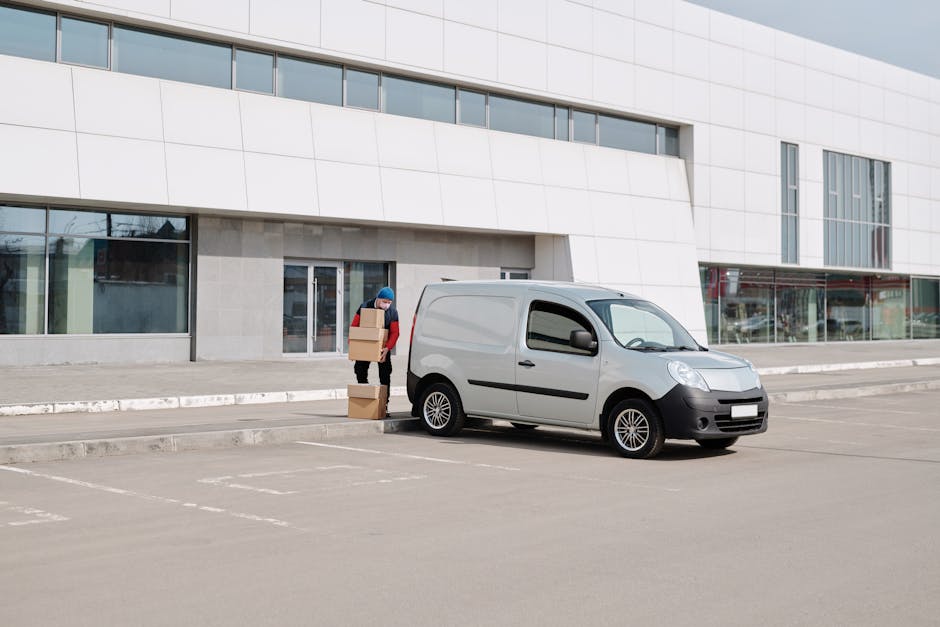
Compare man with van vs full removals in Grange Park
If you are planning a move in Grange Park, one of the first decisions is simple on paper and a bit less simple in real life: should you book a man with van service or go for full removals? The answer depends on what you are moving, how much help you want, and how much time you have on the day. Compare man with van vs full removals in Grange Park carefully, and you can save money, reduce stress, and avoid the awkward moment when the sofa is halfway out the door and nobody has a plan. Been there, seen that.
This guide breaks down the difference in plain English. You will see what each option is best for, what it usually includes, where the hidden trade-offs are, and how to choose the right fit for a flat, house, office, or last-minute move in the local area. We will also cover practical steps, common mistakes, and a realistic checklist so you can make the decision with a bit more confidence.
Quick take: a man with van service is usually best for smaller, lighter, or more flexible moves, while full removals suit larger homes, bulkier furniture, or anyone who wants a more hands-off experience from start to finish.
Why Compare man with van vs full removals in Grange Park Matters
At first glance, these services can look similar. Both involve a van, moving help, and someone with the right know-how to get your things from A to B. But in practice, the difference changes almost everything: the amount of labour, the size of vehicle, the time required, the level of packing support, and the overall cost.
In Grange Park, that matters even more because local moves are rarely just a straight drive. Narrow residential roads, parking pressure near stations, shared access in flats, and awkward loading points can all affect how long a job takes. If you pick the wrong service level, you can end up paying for extra trips, extra handling, or extra stress. And no one wants that on moving day, especially when the kettle is packed away.
The comparison matters for another reason too: people often focus only on the headline price. Fair enough, we all do it. But the cheapest option is not always the cheapest in the end. If a smaller service cannot handle all your items in one go, or if you end up doing the lifting yourself, the real value changes fast.
That is why it helps to think in terms of fit rather than just cost. What kind of move do you actually have? One room? Two-bedroom flat? Full family house? Office equipment? A few large items and some boxes? Once you know that, the decision becomes much clearer.
How Compare man with van vs full removals in Grange Park Works
Let's keep this straightforward. A man with van service usually means a driver with one helper, or sometimes the driver working solo, who transports items in a van and helps with loading and unloading. It is often used for smaller moves, single-item collections, student moves, or quick local transport jobs.
Full removals is broader. It typically means a larger team, a more structured operation, and a service that may include packing, dismantling, loading, transport, unloading, and sometimes reassembly. In other words, more hands, more planning, and usually a more complete move-management experience.
Here is the practical difference you will notice on the day:
- Man with van: best for a lighter move, fewer rooms, or situations where you are doing some of the packing yourself.
- Full removals: better when you need a team to manage larger volumes, heavy furniture, or more delicate logistics.
- Man with van: often more flexible for short notice or odd jobs.
- Full removals: usually more suitable when timing, coordination, and protection matter more than speed alone.
Think of it like this: a man with van is often a practical transport solution, while full removals is a more complete moving service. One is not automatically "better" than the other. They just solve different problems.
To be fair, some removal businesses offer a hybrid service that sits somewhere in the middle. That can be useful if you want more than basic transport but do not need a full team and packing crew. If you are browsing options, it can help to look at the broader range of removal services and match the service level to your actual move rather than the one you first imagined on a busy Tuesday night.
Key Benefits and Practical Advantages
The real value of this comparison is not just price. It is about choosing the service that gives you the least friction for the move you actually have.
Why a man with van can be a smart choice
- Lower cost for smaller loads: if you only have a few items, paying for a full team may be overkill.
- Flexible timing: these services can often handle short-notice or same-day moves more easily.
- Simpler for awkward one-off jobs: a sofa collection, appliance drop-off, or room-to-room move can suit this model well.
- Less planning overhead: if you are already packed and ready, the job can be quite efficient.
Why full removals can be worth it
- More lifting support: useful if you have heavy furniture, stairs, or fragile items.
- Better for larger homes: if you are moving a full flat or house, one van and one person may simply not be enough.
- Reduced physical strain: you do less of the hard work, which matters more than people like to admit.
- Often more organised: the move may be planned in sections, with better handling of furniture and boxes.
There is also a less obvious advantage: the right service can save time on both sides. A good full removals crew may reduce delays, while a compact man with van setup may avoid unnecessary waiting and cost for smaller jobs. Different tools, different wins.
If your move involves furniture you want handled carefully, it is worth reading about furniture pick up and comparing how that kind of collection fits into your moving plan. Small jobs add up, and this is where many people either overpay or underestimate the effort involved.
Who This Is For and When It Makes Sense
This is where the decision gets practical. Not every move needs the same level of service, and frankly, most people already suspect that. The trick is identifying your move honestly.
A man with van is often right for:
- studio or one-bedroom flats with a modest amount of furniture
- student moves
- single bulky items, such as a bed, wardrobe, or sofa
- small office items or archive boxes
- people who are already packed and happy to help with lighter lifting
- short-distance moves where speed and flexibility matter
Full removals is often right for:
- two-bedroom homes and above
- families with a lot of furniture and boxes
- older properties with stairs, tight corners, or awkward access
- moves involving fragile, high-value, or oversized items
- people who want minimal lifting and more support on the day
- moves that need more careful timing and coordination
There is a useful middle ground too. Some people only need a slightly bigger service than a man with van, but not a full packing crew. In that case, a service such as man with van removal may fit well, especially if you want a bit more structure without going all-in on a large removal team.
If you are moving a whole household, the more comprehensive options at house removals or home moves may make far more sense than trying to squeeze everything into a smaller van and hoping for the best. Hope is not a moving strategy. Not really.
Step-by-Step Guidance
If you are trying to decide between the two, use a simple process. This keeps the choice grounded in reality rather than guesswork.
- List everything you need to move. Walk from room to room and write down the bulky items, fragile items, and box volume. Be honest. The "just a few boxes" category grows suspiciously fast.
- Check access at both properties. Think about stairs, lifts, parking, distance from the van to the front door, and whether any furniture needs to be carried through tight spaces.
- Estimate how much help you want. Are you happy lifting and carrying some items yourself, or do you want the job done for you?
- Decide whether packing support is needed. If your belongings are already boxed and labelled, a man with van may be enough. If not, full removals can be easier.
- Compare your timeline. A same-day or urgent move may call for a flexible service, while a planned household move benefits from more structure.
- Ask what is included. Does the quote cover loading, unloading, dismantling, furniture protection, and waiting time? These details matter more than people think.
- Match the service to risk. If you have expensive, fragile, or awkward items, choose the option that lowers the chance of damage or delays.
A small but useful habit: take photos of your furniture and access points before you book. It gives you a clearer picture, and it helps the mover understand the job. Simple, but effective.
Expert Tips for Better Results
After many moves, a few patterns become obvious. The smooth jobs are usually the ones where the customer has thought one step ahead.
1. Be realistic about volume
People often underestimate how much space their belongings take once they are packed properly. A settee, mattress, dining chairs, TV, lamps, and 20 boxes can fill a van far faster than expected. If in doubt, choose the larger option or ask for a quote based on full inventory rather than rough guesswork.
2. Treat access as part of the cost
A move up a narrow staircase in Grange Park is not the same as one with level access and parking by the door. If access is awkward, a full removals team may save time and strain. Sometimes that extra pair of hands is the difference between a tidy move and a sweaty one. And yes, there will likely be a moment when someone says, "It looked smaller in the room."
3. Pack for the service you booked
If you book a smaller service, make sure boxes are sealed, labelled, and ready to go. If you book full removals, ask whether they provide packing or materials. Do not assume. It avoids confusion on the day.
4. Ask about furniture protection
Blankets, straps, and careful loading are not just nice extras. They can help avoid scuffs and knocks. If you have polished furniture, mirrors, or appliances, it is worth asking how they will be secured in transit.
5. Make the route easy
Clear hallways, reserve parking if possible, and keep small essentials separate. A clear route saves time and reduces the chance of damage. It also stops the move from becoming a strange game of indoor obstacle course.
If you are trying to avoid delays, it also helps to check local move timing and traffic pinch points. The local guides on best times to avoid traffic and common delays and moving day tips for Station Road in Grange Park are useful background reading if your move day is likely to be busy.
Common Mistakes to Avoid
Most moving headaches are predictable. That is the annoying part. The good news is they are also preventable.
- Choosing only on price: the cheapest quote may exclude essentials or require more of your own labour.
- Underestimating item size: one large wardrobe can change the whole vehicle requirement.
- Ignoring parking and access: a van that cannot park nearby adds time, cost, and stress.
- Leaving packing until the last minute: the morning of the move is not the time to discover you are out of boxes.
- Not checking what help is included: some services are transport-only, while others include loading and unloading.
- Forgetting disposal needs: if you need to get rid of old items, plan that in advance.
One common mistake in Grange Park is assuming all roads and loading areas are straightforward. They are not always. A move that looks easy on a map can become tricky when the van arrives and the closest sensible stop is two houses away. That is where service choice really starts to matter.
Tools, Resources and Recommendations
You do not need a truckload of specialist kit to plan a good move, but a few simple tools make the decision easier.
- Room-by-room inventory: the simplest way to compare move size against vehicle capacity.
- Box count and rough weight notes: useful when you want a quote that reflects the actual job.
- Photos of access points: stairs, doorways, parking position, and any tight corners.
- Furniture dimensions: especially for beds, wardrobes, sofas, desks, and appliances.
- Labelling system: basic but powerful. Boxes marked by room make unloading much faster.
For planning support, the website's move-related guides can help you think through the practical side. For example, how to pack intelligently for a seamless move is useful if you want a cleaner, more organised handover on the day. If you are moving bulky household items, moving your bed and mattress is worth a look too, because mattresses are always bulkier than you think. Always.
If you are still comparing broad service types, the core service pages for man with van, man and van, and removals can help you see how the offering differs in practice. That makes it easier to decide whether you need transport, assistance, or a more complete moving service.
Law, Compliance, Standards, or Best Practice
When comparing move options, it is sensible to think about safety, insurance, and responsible handling rather than just the practical logistics. In the UK, customers are usually wise to check that the mover has appropriate insurance cover and sensible procedures for lifting, loading, and protecting property. You do not need to become a compliance expert, but you do want reassurance that the job is being handled properly.
Best practice usually includes clear communication about access, item condition, and any items that need special care. It also includes honest quoting. If the company asks the right questions upfront, that is a good sign. If they are vague, that is worth noting.
You can also look for clear policies around health and safety, payment, complaints, privacy, and sustainability. Those pages do not move your sofa for you, of course, but they do tell you something about how seriously the business takes its responsibilities. Useful signals, that.
For more context, you may want to review the company's pages on insurance and safety, health and safety policy, payment and security, and terms and conditions. If you care about lower-waste moving practices, the recycling and sustainability page is also relevant, especially if you are disposing of items or planning a clearer, leaner move.
In short: choose a service that is transparent, appropriately insured, and realistic about the work involved. That is just good practice.
Options, Methods, or Comparison Table
Here is a simple side-by-side comparison to help you weigh up the two choices.
| Factor | Man with van | Full removals |
|---|---|---|
| Best for | Small to medium local moves, single items, flexible jobs | Larger homes, bulky furniture, more complex moves |
| Help provided | Usually transport plus basic loading/unloading | Broader move support, often with a team |
| Packing support | Often limited or optional | More likely to be included or available |
| Cost level | Usually lower for smaller jobs | Usually higher, but better value for big moves |
| Speed and flexibility | High | Moderate to high, depending on scope |
| Physical effort for you | More likely to be involved | Less likely to need your help |
| Risk of underestimating size | Higher if the load is bigger than expected | Lower because the service is designed for larger loads |
Decision rule of thumb: if your move is simple, compact, and already packed, a man with van often makes sense. If your move is bigger, heavier, or time-sensitive, full removals is usually the safer and calmer choice.
Case Study or Real-World Example
Imagine a couple moving from a one-bedroom flat in Grange Park to another nearby property. They have a bed frame, mattress, two wardrobes, a sofa, a small table, and about 18 boxes. They have packed most of it themselves, but the wardrobe is awkward and the stairs at the new place are tight. On paper, they might think a man with van will do.
Then they measure the wardrobes. Then they check the stairwell. Then they remember the bicycle, the lamp, the printer, and three bags of "miscellaneous bits," which is the most dangerous category of all.
In that situation, a full removals service would probably be better value, even if the headline price is higher. Why? Because the move has enough volume and enough access challenges that the extra help would save time and avoid strain. If they had only a couple of boxes and one sofa, the man with van would make much more sense. The difference is not the postcode. It is the load.
Now consider a smaller local job: someone needs a bed collected, a couple of chairs dropped off, and a chest of drawers moved from storage. That is exactly the kind of move where a compact van-based service shines. No drama, no unnecessary crew, no overcomplicated booking. Just the right-sized solution.
The best choice is the one that fits the job you actually have, not the one you wish you had after one too many cups of tea and optimistic thinking.
Practical Checklist
Use this before you book anything. It keeps the decision tidy.
- Have I listed every item that needs moving?
- Do I know whether I need help with packing?
- Have I checked access at both addresses?
- Do I know if there are stairs, lifts, or parking restrictions?
- Have I measured large furniture?
- Do I need one trip or could multiple trips be required?
- Is there anything fragile, valuable, or awkward to carry?
- Do I want to do any lifting myself?
- Have I checked what is included in the quote?
- Have I allowed time for loading, travel, and unloading?
- Do I need disposal or recycling help for unwanted items?
- Have I confirmed the move date and arrival window clearly?
If you can tick most of these off, you are in a much stronger position to choose the right service. Simple as that.
Get a free quote today and see how much you can save.
Conclusion
When you compare man with van vs full removals in Grange Park, the right answer usually becomes obvious once you look beyond the headline price. Smaller, simpler moves tend to suit a man with van service. Larger, more demanding, or more delicate moves usually benefit from full removals. The real trick is matching the service to the size of the job, the access at both properties, and how much help you want on the day.
If you are still undecided, start with your inventory, think about your stairs and parking, and ask yourself one honest question: do I want transport, or do I want a proper moving solution? That one question clears up a lot.
And if you choose well, moving day gets a lot less noisy, a lot less rushed, and a lot more manageable. Which, let's face it, is the whole point.
Frequently Asked Questions
What is the main difference between man with van and full removals?
A man with van is usually a smaller, more flexible transport-and-lifting service for lighter jobs, while full removals is a more complete moving service with a bigger team and broader support.
Which is cheaper in Grange Park?
A man with van is usually cheaper for small moves, but full removals can offer better value for larger jobs where one van and one person would not be enough.
Is a man with van enough for a one-bedroom flat?
Sometimes, yes. If you are well packed, have modest furniture, and easy access, it can be a good fit. If you have bulky furniture or tricky stairs, full removals may be safer.
When should I choose full removals instead?
Choose full removals when you have a larger household, more furniture, fragile items, or when you want minimal lifting and more support on the day.
Can a man with van help with loading and unloading?
Usually yes, though the level of help can vary. Always confirm exactly what is included before booking so there are no surprises on the day.
Do I need to pack everything myself?
Not always. Some removal services offer packing help, while man with van services often expect you to be mostly packed already. It depends on the provider and the job size.
How do I know which option is right for my move?
List your items, check access, and think about how much lifting you want to do yourself. If your move is small and straightforward, man with van may be enough. If it is bigger or more complex, full removals is usually the better choice.
What should I ask before booking?
Ask what is included, whether furniture is protected, how many people will attend, whether packing is available, and if there are any extra charges for stairs, waiting, or difficult access.
Are these services suitable for office moves too?
Yes, though the scale matters. Smaller office moves may suit a van-based service, while larger workplace relocations usually need more structured support. You may also want to look at office removals or commercial moves if the job is business-related.
What if I only need one large item moved?
That is often ideal for a man with van service. Single-item moves like sofas, beds, or appliances are exactly the kind of job that compact services handle well.
Do I need to worry about access or parking in Grange Park?
Yes. Access and parking can affect how quickly the move goes and whether a smaller or larger service is more suitable. It is one of the most overlooked parts of planning, and one of the most important.
Can I get a same-day or urgent move?
Sometimes, yes. Smaller van-based services are often better suited to urgent jobs, but availability depends on the day and the size of the move. If timing is tight, ask early and be clear about what needs moving.