Top parking spots for vans near Grange Park Station
Posted on 30/04/2026
Top parking spots for vans near Grange Park Station: a practical local guide
If you're trying to find the top parking spots for vans near Grange Park Station, you probably don't need a glossy overview. You need somewhere sensible to stop, unload, or wait without causing hassle, losing time, or getting boxed in by a tight street. Fair enough. Van parking around a station can be awkward at the best of times, especially if you're juggling a house move, a delivery, or a same-day job and the clock is already tapping you on the shoulder.
This guide breaks down how to think about van parking near Grange Park Station, what makes one spot better than another, and how to avoid the small mistakes that turn a quick stop into a stressful one. We'll look at practical parking choices, timing, access, compliance, and the kind of real-world details that matter when you're driving a van rather than a car. If you're also planning a move, you may find our guides on packing for a seamless move and stress-free house moving tips useful alongside this.
And yes, there is a difference between a spot that looks convenient and one that actually works for a van. That's the part people often learn the hard way.
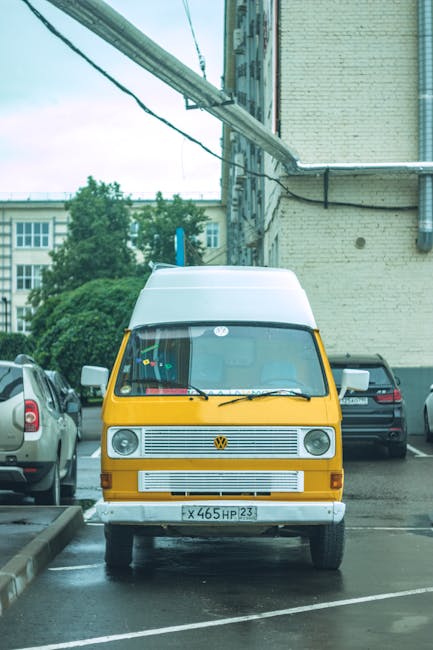
Why Top parking spots for vans near Grange Park Station Matters
Parking a van near a station is never just about finding an empty space. You're also thinking about height, length, kerb clearance, walking distance, loading access, rush-hour pressure, and whether the driver behind you is already impatient. Near Grange Park Station, that becomes even more important because station areas tend to attract a mix of commuters, local residents, deliveries, and short-stay traffic all at once.
The right parking spot can save you more than a few minutes. It can protect the van from awkward manoeuvres, reduce the risk of blocking traffic, and make loading or unloading far easier. If you're moving furniture, boxes, or fragile items, those extra steps matter. A bad stop means carrying a heavy sofa across too much pavement or wrestling a mattress down a narrow route. Not ideal. Not at all.
There's also a trust and planning angle here. If you're using a local service such as man with a van in Grange Park or arranging fuller support through removal services in Grange Park, parking is part of the job, not an afterthought. Good access helps the whole operation run smoothly, and smooth is what you want when a property handover or delivery window is tight.
Key point: the best van parking spot near a station is the one that balances access, legality, and convenience - not just the one that is closest on a map.
How Top parking spots for vans near Grange Park Station Works
In practical terms, choosing a van parking spot near Grange Park Station means matching the vehicle and the task to the road layout, restrictions, and timing. Vans are less forgiving than cars. A space that feels workable in a hatchback can be far too tight once you're sat higher up, with mirrors out and a rear overhang to think about.
Most van drivers near a station are trying to do one of three things: make a quick stop, complete a loading or unloading task, or wait briefly between jobs. Each of those needs a slightly different approach. A quick stop may be easiest on a wider residential street with clear sightlines. Loading work often needs a safer, flatter area closer to the property entrance. Waiting may be better done a little further away where you are less likely to block access or irritate local traffic.
If you're booking a moving day, the parking decision should be built into the plan from the start. We often see people sort the boxes, hire the van, and only then think about where the vehicle will sit. Truth be told, parking should sit much earlier in the chain. It affects timing, carrying distance, and even how many trips you'll need. For a fuller overview of move planning, have a look at our decluttering tips for a stress-free move and the practical advice in moving beds and mattresses.
Think of van parking as part logistics, part common sense, and part local knowledge. There's no magic trick, just good judgement.
Key Benefits and Practical Advantages
Choosing the right parking spot near Grange Park Station can make the rest of the day easier in ways people underestimate. Here are the main gains.
- Less carrying distance: fewer steps between van and door means less fatigue and less risk of damage.
- Faster turnaround: a sensible stop lets loading or unloading happen more quickly.
- Lower stress: you're not constantly worrying about being in the way or needing to move on suddenly.
- Better vehicle control: vans are easier to position where the road is a little wider or visibility is better.
- Reduced handling risk: shorter carries help with awkward items such as furniture, appliances, or boxed electronics.
If you're moving larger items, the gains are even clearer. A well-placed van can make all the difference when you're moving a wardrobe, a mattress, or office equipment. That's one reason many customers pair parking planning with services like furniture removals in Grange Park or office removals in Grange Park, where access and timing need to be tightly controlled.
There's another benefit that gets overlooked: smoother parking reduces the chance of rushed decisions. When people are pressured, they park too close to junctions, reverse into tight bays, or leave the van half-aligned and hope for the best. Hope is not a parking strategy.
Who This Is For and When It Makes Sense
This guide is useful for anyone who needs a van near Grange Park Station, but it is especially relevant if your work involves time-sensitive or bulky loads. The most common users are:
- people moving house or flat
- students shifting belongings at term time
- local trades and delivery drivers
- small businesses transporting stock or office items
- families moving furniture or storage items
- anyone collecting bulky purchases or large boxes nearby
If you're in a smaller property or dealing with stairs, parking becomes even more important. A van parked awkwardly can turn a flat move into a tiring procession. That's why pages like flat removals in Grange Park and student removals in Grange Park are closely tied to parking planning. Shorter walks matter when you're carrying a monitor, a desk lamp, or the third box of books that looked smaller on moving day than it did yesterday.
It also makes sense when you need a same-day response. If you're booking same-day removals in Grange Park, there's usually less room for improvisation. The parking choice has to support the schedule, not slow it down.
To be fair, even a quick five-minute stop can become annoying if you've got the wrong spot and a tight road. That's often the moment people realise convenience and practicality are not the same thing.
Step-by-Step Guidance
Here's a simple way to approach van parking near Grange Park Station without overcomplicating it.
- Define the task. Are you loading, unloading, waiting, or making a brief stop? That changes what "good parking" looks like.
- Check vehicle size. A small van and a Luton van do not need the same space. Mirror width matters too.
- Look for clear access. Try to avoid blind bends, school gates, junction mouths, or routes where pedestrians bunch together.
- Watch restrictions. Signs, yellow lines, residents' bays, loading rules, and time limits all matter. If you're unsure, assume the restriction is real until proven otherwise.
- Consider carrying distance. A legal space that is too far away may still be the wrong practical choice for a heavy load.
- Plan your loading sequence. Put the items you need first near the door or at the rear of the van, so you're not wasting time.
- Re-check before leaving the vehicle. Handbrake on, doors secure, mirrors adjusted, and the route back to the van kept clear.
If you are moving furniture or boxed contents, it helps to prepare before the van even arrives. Our article on how to pack intelligently for a seamless move is a good companion read, because good packing and good parking tend to reinforce each other. Less rummaging, less delay, fewer awkward shuffles in the rain. Classic British moving-day maths, really.
And if the job includes a heavy item like a piano, don't wing it. Parking close enough and safely enough matters a lot, so take a look at why DIY piano moving is usually the wrong route before you attempt a heroic shortcut.
Expert Tips for Better Results
These are the sort of practical details that save time in the real world.
- Arrive with a buffer. If the parking plan is perfect on paper, still give yourself extra minutes. Road layouts change quickly near stations.
- Keep the rear of the van efficient. Put frequently needed items near the doors, not buried under everything else.
- Use two people when possible. One to guide the van, one to check the surroundings. It's a simple safety upgrade.
- Don't choose the nearest spot by default. Sometimes a slightly farther bay is safer, wider, and less stressful.
- Think about the weather. In rain, carrying boxes across extra pavement gets messy fast. Wet kerbs, slick shoes, the lot.
- Take a photo of the vehicle position. Useful if you need to remember where you parked or explain access later.
One thing we often tell customers is to treat the loading bay or parking point like part of the move, not a side issue. If the van is poorly placed, every other job becomes harder. That's true whether you're moving a flat, a house, or a small office.
For bulky household items, planning helps even more. Our guides on beds and mattresses and sofa storage advice are useful if you're deciding whether to move, store, or stage items before transport.
Little things matter here. A better parking angle, a clearer path, one fewer turn of the trolley. It all adds up.
Common Mistakes to Avoid
Most parking problems near stations come from rushing. The rest come from assuming a space is fine because it looks fine. That's a dangerous little habit.
- Ignoring signage: even a short stop can be a problem if restrictions apply.
- Underestimating van length: rear overhang can catch junctions, driveways, or parked cars.
- Blocking access: kerbside parking that looks harmless may still block residents, delivery vehicles, or emergency access.
- Choosing tight corners: they make reversing and loading more awkward than expected.
- Not checking turning room: some roads are fine to enter but fiddly to leave, especially at busier times.
- Forgetting the walking route: if the path from van to property has steps, narrow pavements, or uneven ground, factor that in.
Another mistake is forgetting the knock-on effect. Poor parking can slow down the whole job, which is especially frustrating if you've arranged cleaners, keys, or storage on a schedule. If you're at the end of a tenancy, our move-out cleaning guide for renters may help keep the rest of the day tidy and manageable.
And yes, the old "I'll just pull in for a second" move? Sometimes it works. Often it doesn't.
Tools, Resources and Recommendations
You do not need a mountain of gear to park a van well, but a few basics make a real difference. The right tools keep things calm and prevent silly mistakes.
- Phone maps and street view: useful for checking road width, nearby junctions, and access patterns before you arrive.
- Local parking signs reference: take time to read restrictions in full, especially on mixed-use streets.
- Hi-vis vest or jacket: sensible for early mornings, dusk, or busier roadside loading.
- Trolley or sack truck: especially helpful if the best parking option is a little further away.
- Ratchet straps and blankets: not parking tools exactly, but essential once the vehicle is positioned and you start loading.
For broader support, it can help to understand the service mix available locally. Our services overview gives a useful sense of what can be arranged around a move, delivery, or transport job. If you are comparing approaches or need a more tailored setup, our page on man and van in Grange Park is also a practical starting point.
If you are moving heavy or awkward loads, it is worth brushing up on lifting technique too. Our articles on lifting hefty objects safely and kinetic lifting principles may sound technical, but the advice is grounded and useful when the van is parked a little farther than you'd like.
Law, Compliance, Standards, or Best Practice
This section is worth taking seriously. Parking a van near a station is not only a convenience question; it can also involve legal and practical compliance. Exact restrictions vary by street, time, and local authority rules, so you should always check the on-street signs and any relevant council guidance before stopping.
As a general best practice in the UK, van drivers should avoid causing obstruction, keep access points clear, and respect marked loading restrictions and parking bays. Where there are single or double yellow lines, permit zones, or shared-use bays, the rules can differ by time of day and by vehicle type. If you are unsure, do not guess.
From a safety perspective, make sure the van is secure, visible, and not left in a way that creates unnecessary risk for pedestrians, cyclists, or other road users. For moving work, it also helps to follow good manual handling habits and use suitable equipment. Our health and safety policy and insurance and safety information are useful references if you want to understand the broader standards behind safe, careful work.
For businesses, compliance can also connect to presentation and professionalism. A van parked cleanly and legally near a station sends the right message. A van half on the pavement does the opposite. To be fair, nobody enjoys being the person everyone is quietly watching, and station areas can be very visible places.
Options, Methods, or Comparison Table
Not every parking choice fits every job. Here's a simple comparison of common approaches you might consider near Grange Park Station.
| Parking option | Best for | Pros | Trade-offs |
|---|---|---|---|
| Closest available roadside space | Quick drops and light loads | Short carry distance, fast access | Often tighter, more competition, and more likely to be restricted |
| Wider residential street slightly away from the station | Loading and unloading larger items | More manoeuvring room, often less pressure | Longer walk to property or station |
| Time-limited loading area where permitted | Short, controlled loading jobs | Good for efficient pick-ups and drop-offs | Must stay within the time and loading rules |
| Pre-arranged access with a removal team | House, flat, or office moves | Better coordination and less confusion on the day | Requires planning, and sometimes more than one vehicle or crew member |
For many people, the best answer is a mix of planning and flexibility. If the nearest space is unsuitable, the smarter move is often to park a little further away and use proper carrying equipment. That's especially true for larger jobs like house removals in Grange Park or general removals in Grange Park, where one "good enough" decision can affect the rest of the day.
Case Study or Real-World Example
Imagine a small flat move near Grange Park Station on a busy weekday morning. The first instinct might be to stop as close to the entrance as possible. That sounds efficient. But the first space is narrow, the turning angle is poor, and there are pedestrians moving steadily between the station and nearby streets. The driver checks again, decides against it, and parks a little further along where the road is wider and the van can sit more cleanly.
That small decision changes the whole move. The trolley rolls properly. Boxes come out in a manageable sequence. The mattress doesn't have to be carried at an awkward angle past a tight corner. The person helping at the property isn't constantly stepping out of the way. In the end, the carry takes a few extra minutes, but the overall job feels calmer and safer.
That is the kind of trade-off experienced movers make all the time. Not perfect. Just workable. And workable is usually the win.
If the move involves delicate items or specialist loads, parking decisions matter even more. Our piano removals in Grange Park page gives a sense of how specialist moves benefit from thoughtful planning, while recycling and sustainability may be useful if you are clearing items and want to handle unwanted goods responsibly.
Practical Checklist
Use this quick checklist before parking a van near Grange Park Station.
- Check whether the stop is for loading, unloading, or waiting.
- Confirm the van size and whether the road can comfortably handle it.
- Read all local signs before committing to the space.
- Make sure the van will not block access, driveways, or crossing points.
- Look for enough room to open doors and move safely around the vehicle.
- Plan the walking route from the van to the property or station.
- Prepare lifting aids, straps, blankets, or a trolley if needed.
- Keep the load sequence organised so you are not constantly re-handling items.
- Allow a time buffer in case the first spot is not suitable.
- Stay flexible. A slightly less convenient legal spot is often better than a risky one.
If you are gathering boxes, wrapping supplies, or planning the contents of a van, our packing and boxes page for Grange Park can help you prepare more efficiently. And if you need storage as part of the move, storage in Grange Park can take pressure off the day's parking and transport plan.
Conclusion
Finding the best van parking near Grange Park Station is really about planning the day properly. The right spot reduces strain, saves time, and helps you avoid awkward stops, rushed unloading, and unnecessary risk. If you remember nothing else, remember this: a van needs space, visibility, and a legal reason to be there. Everything else follows from that.
When you choose parking with care, the whole job feels less chaotic. The carrying is easier. The route is clearer. The mood stays better. And on moving day, that can make a surprising difference. Sometimes the smallest local decisions have the biggest effect. A decent parking choice really can set the tone.
Get a free quote today and see how much you can save.