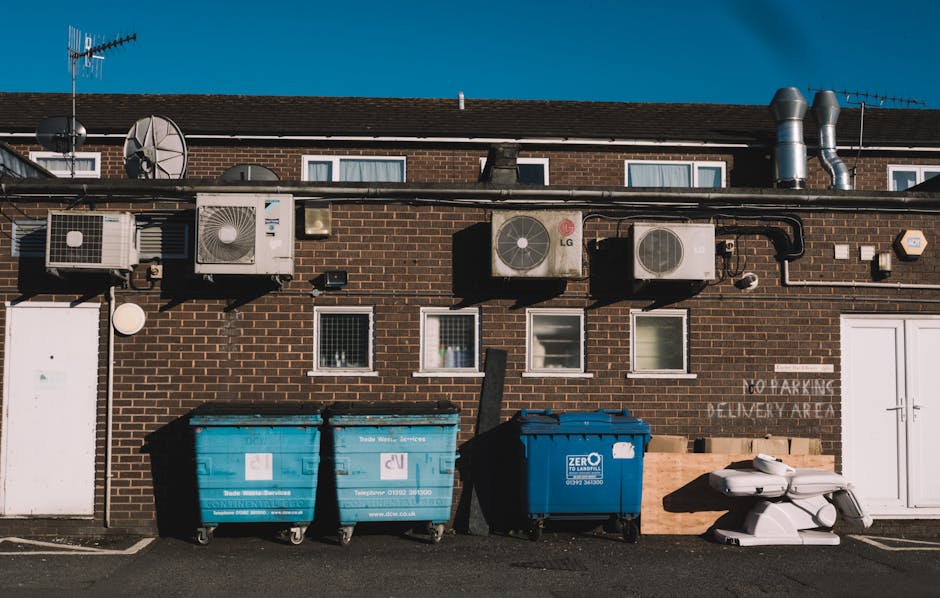
How to dispose bulky waste during a Grange Park move
Posted on 02/06/2026
Moving house has a way of revealing every awkward item you have been quietly avoiding for years. The wobbly wardrobe. The sofa that no longer fits the room. The mattress you keep meaning to replace. If you are wondering how to dispose bulky waste during a Grange Park move, the good news is that there is a sensible, orderly way to handle it without turning moving day into a tip run from hell.
This guide walks you through the practical options, the common mistakes people make, and the decisions that save time, money, and a fair bit of stress. Whether you are leaving a flat, downsizing, or simply trying to clear space before the van arrives, you will find a method that suits your move. And yes, it is usually easier when you plan this before the boxes start piling up.
If you are already deep into packing, you may also find it helpful to read our guide to decluttering for a calmer move and our advice on making house moving less stressful.

Why How to dispose bulky waste during a Grange Park move Matters
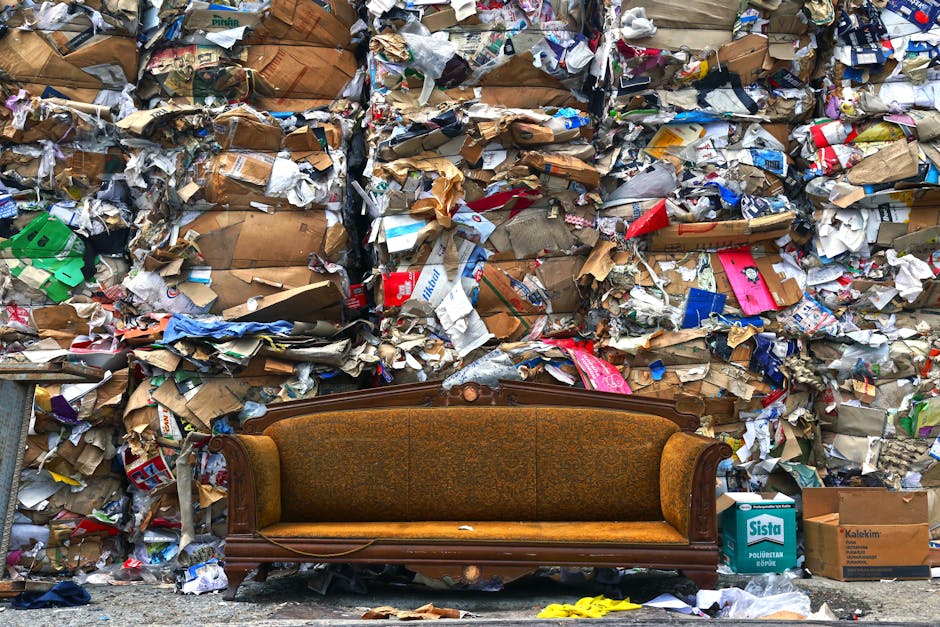
Bulky waste is not just "big rubbish". It is anything too large, heavy, awkward, or risky to leave out with ordinary household waste. Think wardrobes, sofas, chest freezers, bed frames, office desks, dining tables, old mattresses, and broken appliances. During a move, those items suddenly matter more because they affect space, timing, transport, and safety.
In Grange Park, where many homes involve tight hallways, stairwells, narrow streets, and the usual London parking awkwardness, bulky waste can become a genuine bottleneck. One oversized item can slow down loading, block access, or take up valuable van space that should be reserved for items you are actually keeping. Not ideal when the clock is ticking and the kettle is already packed.
There is another reason this matters: a rushed disposal plan often leads to avoidable damage. People drag heavy furniture through doorways, scratch floors, strain backs, or leave items outside too early and create a mess for neighbours. A better approach is cleaner, safer, and usually less expensive than last-minute scrambling.
For many movers, bulky waste is also a decision point. Do you keep the sofa and store it? Replace the bed? Dispose of the freezer now and avoid moving it twice? That is where a little planning pays off. Our long-term sofa storage advice can help if you are torn between disposing of an item and keeping it in reserve.
How How to dispose bulky waste during a Grange Park move Works
At a practical level, disposing of bulky waste during a move is about matching the item to the right route. Not every object needs the same treatment. A usable sofa may be sold, donated, or stored. A broken bed base may be dismantled and recycled. A dead fridge usually needs a specialist collection. A single cracked chair, truth be told, can be bundled with other mixed waste if local rules allow it through the right channel.
The process usually follows a simple sequence:
- Sort the item into keep, sell, donate, recycle, or dispose.
- Check its condition so you know whether it has second-hand value.
- Measure it to confirm whether it can be removed through doors, lifts, and stairwells safely.
- Choose the disposal route: reuse, recycling, booked collection, van removal, or waste facility drop-off.
- Prepare it correctly by dismantling, bagging loose parts, and removing dangerous components where appropriate.
- Time the removal so the item leaves before moving day, or at least before the final load.
The biggest mistake is treating everything as one pile. That is how moving day gets messy very quickly. A better method is to look at each item individually and ask, "Can this be reused? Can it be broken down? Does it need special handling?" That tiny pause saves a lot of grief later.
If you are short on time, a same-day or short-notice collection can sometimes be the most practical answer. In that case, our same-day removals in Grange Park and man with a van support pages may be useful starting points for arranging removal help quickly.
Key Benefits and Practical Advantages
Doing bulky waste properly is not just about being tidy. It changes the whole feel of the move. When the awkward stuff is dealt with early, the rest of the day becomes simpler. You can stack boxes more efficiently, protect furniture better, and load the van in the right order instead of working around a bulky sofa that should have gone yesterday.
- More usable space in the old property and the van.
- Lower moving stress because there are fewer last-minute decisions.
- Reduced risk of injury from lifting heavy or sharp-edged items.
- Cleaner handover if you are leaving a rented home.
- Better recycling outcomes when items are separated properly.
- Fewer delays caused by items that are too big to fit through doors or down stairs.
There is also a financial angle. Moving things you do not want is wasted effort. Then you may still need to pay to dispose of them later. That is a classic "pay twice, regret once" situation. In some cases, storage makes sense instead of disposal, especially for furniture you may need later. If that sounds familiar, have a look at our storage options in Grange Park and the practical guidance in our sofa storage article.
Expert summary: The cleanest bulky-waste strategy is rarely "move everything and decide later". It is usually "sort early, separate what has value, dismantle what can be reduced, and remove the rest before the pressure peaks."
Who This Is For and When It Makes Sense
This approach is useful for almost anyone moving in or out of Grange Park, but it is especially relevant if you are dealing with a mix of large items and a tight schedule. A few common scenarios stand out.
Home movers clearing out old furniture
If you are upgrading your home or replacing older furniture, bulky waste disposal should happen before the removals team arrives. Otherwise, you end up transporting things only to dispose of them later. That is extra handling for no real benefit.
Flat movers with limited access
Flat moves are often trickier because stairs, lifts, and shared entrances can all limit how quickly heavy items come out. If you are in that position, our flat removals in Grange Park page may help you think through access and loading logistics.
Renters needing a clean handover
Bulky waste can affect your final inspection. A damaged mattress, a broken wardrobe left in the hall cupboard, or a bulky item abandoned in the garden can all create problems. If you are renting, timing matters more than people sometimes realise.
Students and first-time movers
Students often inherit furniture, buy cheap items second-hand, then discover the item is not worth transporting again. The move becomes much easier when you know what to let go of. Our student removals support may be helpful if your move has that fast-paced, low-margin feeling to it.
People downsizing or moving in a hurry
If the new property is smaller, bulky waste decisions become unavoidable. Same for last-minute moves, where you simply do not have the luxury of "maybe later". In those cases, practical triage is the way forward.
Step-by-Step Guidance
Here is a straightforward method that works well in real moving situations. It is not glamorous, but it gets the job done.
- Walk through every room first. Make a quick list of large items: sofas, wardrobes, beds, tables, appliances, shelving, office furniture, garden pieces, and anything with awkward dimensions.
- Split items into four piles. Keep, sell, donate, recycle/dispose, and maybe-store. Yes, that sounds simple. It is meant to.
- Check each item for reuse value. If something is clean, working, and presentable, it may not belong in the waste pile at all.
- Dismantle where sensible. Remove legs, shelves, drawers, and loose fittings. This makes carrying easier and can reduce disposal costs and load volume.
- Separate hazardous or special items. Some items, such as appliances, need particular care because of electrical components or refrigerants.
- Book the right method early. Don't leave bulky waste until the morning of the move. That is the kind of decision that sounds fine at 9 a.m. and feels awful by 3 p.m.
- Protect floors and walls during removal. Use blankets, corner protection, and a clear route if you are moving items through the property.
- Confirm collection timing. Make sure the item is out before the final sweep of the property, especially if you need the space clear for cleaners or surveyors.
When in doubt, work backwards from moving day. Ask yourself what needs to leave first, what can wait, and what should never be moved at all. That ordering saves more stress than most people expect.
Expert Tips for Better Results
A few small habits make bulky waste disposal noticeably easier. These are the sort of details that are easy to skip and annoying to ignore later.
Measure before you move
It sounds obvious, but people still attempt to carry massive furniture through narrow hallways without checking the route. Measure width, height, and turning points. A wardrobe that "looks fine" at the door can become a stubborn, scraping nightmare on the stairs.
Take photos of items before disposal
If you are deciding between donation, resale, and disposal, a quick photo helps you make that call faster. It also gives you a record of condition if needed. Handy, if not exactly exciting.
Strip items down before the team arrives
Remove cushions, drawers, shelves, cables, and loose fittings in advance. You will make the item lighter and less awkward. For beds and mattresses, our bed and mattress moving guide covers some practical handling points that also apply to disposal prep.
Keep screws and fittings together
Place fixings in a labelled bag and tape it to the relevant item if you are dismantling furniture for storage or resale. It is one of those tiny, boring habits that saves a lot of irritation later.
Think about access, not just weight
An item does not have to be extremely heavy to be difficult. A bulky sofa on a narrow landing can be more troublesome than a heavier item with clean handles and a clear route. If your property access is awkward, our narrow-street moving advice for Grange Park is worth a look.
Use the move as a decluttering deadline
Deadlines are useful. Let them work for you. If you know an item will not fit the new place, decide now rather than letting it follow you into a corner of the garage for another two years. We have all seen that chair.
Common Mistakes to Avoid
Bulky waste disposal goes wrong in fairly predictable ways. If you avoid these, you are already ahead.
- Leaving decisions too late. The biggest mistake is waiting until the day before the move to decide what to do with large items.
- Assuming everything can be left out. A pile on the pavement is not a plan. It can create issues with neighbours, access, and local rules.
- Trying to move damaged furniture "just in case". If it is broken and has no practical value, moving it usually only creates extra work.
- Forgetting about disassembly. Many bulky items become much more manageable when taken apart.
- Ignoring lifting safety. One poor lift can derail the whole week. Back strain is not a badge of honour.
- Mixing reusable items with waste. A good sofa or desk should not be ruined by being packed in with broken bits and rubbish.
- Underestimating time. Bulky waste always takes longer than people expect, especially in flats or older homes.
If you need help with lifting technique and handling awkward loads, our articles on lifting hefty objects safely and kinetic lifting techniques offer useful practical background.
Tools, Resources and Recommendations
You do not need a warehouse of equipment to handle bulky waste well, but the right tools make a real difference.
- Measuring tape for route checks and item dimensions.
- Heavy-duty gloves to protect hands from splinters, dust, and sharp edges.
- Furniture blankets for wall and floor protection.
- Ratchet straps or sturdy ties to secure dismantled items.
- Labels and marker pens for separating screws, shelves, and parts.
- Trolleys or dollies for moving items where level access allows it.
- Bin bags or boxes for loose components, fittings, and small waste.
For support around packing and organising the items that are staying, our packing and boxes service information and smart packing tips can help you keep the rest of the move tidy while you deal with the larger pieces.
If your bulky waste includes a piano, freezer, or especially awkward furniture, do not guess. These items often need careful handling and the right vehicle. Our piano removals in Grange Park page and piano moving myth-busting article are a useful reminder that DIY is not always the brave choice.
Law, Compliance, Standards, or Best Practice
In the UK, bulky waste should be handled responsibly and in line with local waste expectations. The exact council process can vary, so it is wise to check the relevant local guidance for your address rather than assuming the rules are the same everywhere. That is especially true in and around London, where collection arrangements and missed-item procedures may differ from one area to another.
From a practical best-practice perspective, the safest approach is simple: do not dump items, do not block pavements, and do not leave waste where it can create a hazard for residents or pedestrians. If an item contains electrical parts, refrigerants, batteries, or anything that could be considered specialist waste, treat it separately and arrange the correct disposal route.
For moves involving rental properties, it also helps to remember your tenancy obligations. Leaving bulky items behind can affect your check-out experience, cleaning deposit, or handover timeline. Our move-out cleaning guide for renters is useful here because waste removal and final cleaning often overlap more than people expect.
On the service side, ask providers about insurance, handling procedures, and whether they have clear health and safety practices. If lifting, loading, or transport is involved, you want reassurance that the work is being done properly, not just quickly. Our insurance and safety information and health and safety policy pages are there for that reason.
Options, Methods, or Comparison Table
There is no single best route for every bulky item. The right choice depends on condition, timing, access, and how much effort you want to spend. Here is a simple comparison.
| Method | Best for | Pros | Watch out for |
|---|---|---|---|
| Reuse or donation | Usable furniture and household items | Good for items with life left in them; less waste | Requires decent condition and time to arrange |
| Sell privately | Desirable items with resale value | Can offset moving costs | May not suit time-pressed moves |
| Recycle or specialist disposal | Mattresses, appliances, broken furniture | Responsible route for items with material recovery potential | Some items need particular handling |
| Removal service with van support | Large, awkward, or multiple items | Fast, practical, less lifting for you | Needs booking and clear item list |
| Storage for later decision | Items you might keep but cannot move now | Buys time and reduces moving pressure | Not a disposal solution if the item is truly unwanted |
For some moves, the answer is a mix. For example, you might sell the dining table, recycle the mattress, and store the sofa for a few months. That is completely normal. Real moves are messy like that.
Case Study or Real-World Example
Here is a realistic Grange Park scenario. A couple moving from a first-floor flat had a three-seater sofa, an old bed frame, a chipped bookcase, and a fridge that had stopped working properly. Their first instinct was to load everything into the van and sort it later. Sensible? Not really.
Instead, they made a quick decision list two days before move day. The sofa was still in good condition, so they chose storage rather than disposal. The bed frame was dismantled, labelled, and moved with the rest of the furniture. The bookcase was beyond repair, so it was cleared out early. The fridge needed a separate disposal route because it was no longer active and not something they wanted to risk handling casually.
The result was cleaner access, a lighter load, and less stress on moving day. More importantly, they avoided trying to fit unwanted items into a van that should have been focused on the new home. That kind of judgement call sounds small, but it saves a surprising amount of energy. And, honestly, energy is what you are short of during a move.
This is also where a broader removals plan helps. If bulky waste is part of a larger move, our removals in Grange Park and removal services overview pages can help you think through how disposal fits into the whole job. If the move is especially tight on time, our last-minute moving guide may also be useful.
Practical Checklist
Use this quick checklist to stay on track while you are moving.
- Walk through every room and note bulky items.
- Decide whether each item will be kept, sold, donated, recycled, stored, or disposed of.
- Measure large items and check access routes.
- Dismantle furniture where it makes sense.
- Separate screws, drawers, cushions, and loose parts.
- Protect floors, walls, and door frames before moving items.
- Arrange disposal or collection before moving day.
- Confirm whether any item needs special handling.
- Keep useful items away from waste so they are not accidentally thrown out.
- Do a final sweep before handing over keys.
If you are still gathering supplies, our packing supplies information may help you stay organised while the bulky stuff is being cleared out.
Get a free quote today and see how much you can save.
Conclusion
Disposing of bulky waste during a Grange Park move does not have to be chaotic. Once you sort items early, match each one to the right disposal route, and keep lifting and access safety in mind, the whole process becomes much more manageable. That is really the heart of it.
The best moves tend to be the ones where the awkward items are dealt with before they become a problem. A sofa removed at the right time. A bed frame dismantled neatly. A fridge or mattress handled properly. It all adds up to a quieter, cleaner moving day.
If there is one takeaway, let it be this: do not wait for the last box to force your decision. Bulky waste is easier to handle when it is treated as part of the move plan, not an afterthought. Small decisions, made early, have a funny habit of making everything else feel lighter.