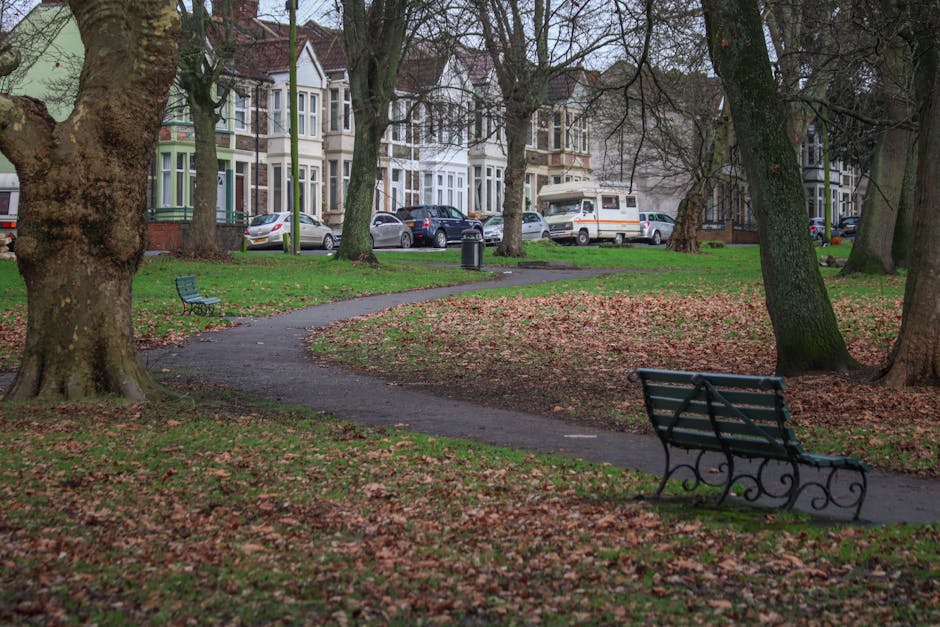
Enfield Council permit rules for Grange Park removals
Posted on 26/06/2026

If you are planning a move in Grange Park, parking is rarely a small detail. It can decide whether the move feels calm and organised, or like a scramble with a stopwatch running. The Enfield Council permit rules for Grange Park removals matter because a removal van often needs space to stop close to your property, and in some streets that space is limited, restricted, or shared with residents. Get the parking side wrong and you may face delays, extra walking distance, complaints from neighbours, or a stressful moving day no one needs.
This guide explains the permit basics in plain English, shows you how the process usually works, and helps you plan around the practical realities of moving in north London. Along the way, you will also find useful links to move planning, packing, lifting, and van parking advice that can make the whole job feel much less chaotic. Truth be told, the paperwork is rarely the hard part; it is the timing, access, and street layout that trip people up.
Why Enfield Council permit rules for Grange Park removals Matters
At first glance, parking permission may sound like admin for the sake of admin. But for a removal, it is actually part of the moving logistics. A van that cannot stop near your front door means more lifting, more time, and more chance of damage to furniture, walls, and nerves. In a place like Grange Park, where roads can be narrow and parking can be tight at the best of times, that matters more than people expect.
The main reason the rules matter is simple: a removal vehicle is not the same as a family car. It is larger, slower to manoeuvre, and often needs a loading position rather than a standard parking bay. If you are moving from a terrace, a flat, or a street with resident bays, you may need to think ahead about suspension bays, loading restrictions, yellow lines, or temporary parking arrangements. That planning can save a lot of time on moving day.
It also helps with neighbour relations. Nobody wants to wake up to a van blocking access with no warning. A little preparation goes a long way, especially if the move takes place early in the morning or during a busy weekday. A quiet, orderly move tends to go down better than an improvised one. That is just human nature.
If you are still in the early stages of planning, it can help to look at broader moving advice too, such as house moving tips for a stress-free experience and decluttering before a move. Less clutter means fewer trips, and fewer trips usually means less time spent worrying about where the van can stop.
How Enfield Council permit rules for Grange Park removals Works
Most parking permission for a removal follows the same general logic: you identify the street or bay you need, check whether waiting or loading is allowed, and arrange permission or suspension if needed. The details can vary depending on the location, the length of time required, the type of bay, and whether the move is for a home, flat, or office. The council may also want advance notice. Not always, but often enough that leaving it until the last minute is risky.
In practical terms, the process usually begins with a parking assessment. You look at the road outside your property and ask a few blunt questions: can a van fit safely, is there enough room to load without blocking traffic, are there restrictions at the time you are moving, and is there a nearby alternative if the space is unavailable? That last one is a big one. Grange Park has pockets where parking looks fine until you arrive with a vehicle that is just a bit too long for comfort.
Some moves may only need careful timing rather than a formal permit. For example, if there is a loading bay or a legal place to stop for a brief period, you may not need anything more. But if the road is controlled, if bay suspension is needed, or if the van must occupy a particular spot for a set amount of time, then it is safer to treat permission as part of the move, not an optional extra.
We always suggest checking the access route as well, not just the parking space. A van can be parked legally and still make the job awkward if there is a tight bend, a low branch, a steep curb, or a narrow turning point. For that reason, local route knowledge matters. Articles like navigating narrow streets in Grange Park and parking spots for vans near Grange Park Station can be useful when planning a route that avoids guesswork.
Key Benefits and Practical Advantages
Getting the permit side right is not just about avoiding problems. It creates real operational advantages that you feel on the day.
- Shorter carrying distance: the closer the van, the fewer steps between your front door and the vehicle.
- Less risk of damage: fewer turns, fewer awkward corners, fewer chances of bumping frames or scratching floors.
- Faster load times: the crew can keep a steadier rhythm instead of pausing for long walks back and forth.
- Better safety: a legally positioned van is easier to work around than one squeezed into a doubtful space.
- Less stress: you are not trying to negotiate parking while also keeping track of boxes, keys, and the kettle. Which, let's face it, is enough for one morning.
There is also a commercial upside if you are comparing moving options. A well-planned parking setup can make a removal company or man and van service more efficient, which may help keep the job simpler and more predictable. If you are comparing moving support, pages such as removal services in Grange Park, man with a van Grange Park, and house removals Grange Park can help you understand the sort of support different moves tend to need.
There is another benefit people overlook: good parking planning reduces friction with timing. If your tenancy ends at midday, if a lift booking is tight, or if office access is only available for a short window, losing twenty minutes to a parking issue can become a real headache. It snowballs fast.
Who This Is For and When It Makes Sense
The permit rules are relevant for more people than you might think. You do not need to be moving a four-bedroom house to care about parking. In Grange Park, even a small flat move can require careful access planning if the street is busy or the property sits in a location with restricted bays.
This matters especially for:
- Homeowners moving furniture, boxes, and appliances
- Tenants who need a tidy same-day turnaround
- People moving from upper-floor flats with stair-only access
- Students moving in or out with smaller but awkward loads
- Office teams relocating desks, files, and IT equipment
- Anyone using a larger van that needs to stop close to the property
It also makes sense if you are moving something unusually heavy or awkward. Pianos, oversized wardrobes, mattress sets, and large sofas all become much harder when the vehicle is a long way from the door. For those jobs, a more specialised service such as piano removals Grange Park or furniture removals Grange Park may be the safer route.
If you are in a flat, the access question becomes even more important. Stairwell width, landing space, and doorway clearance all combine with parking constraints. A move that seems simple on paper can feel fiddly in real life. That is why flat removals Grange Park is a useful reference point when you are checking how the whole move should be structured.
Step-by-Step Guidance
Here is a practical way to approach the permit side without making it a whole project of its own.
- Check your street first. Walk outside and look at the available stopping points. Do this at the same time of day as your move if possible, because parking conditions can change a lot between mid-morning and late afternoon.
- Identify restrictions. Note resident bays, pay-and-display bays, yellow lines, loading bays, school restrictions, and any signs that limit waiting or unloading.
- Measure the realistic access. Think in terms of van length, turning room, and how far the team would need to carry items if the closest space is unavailable.
- Decide whether you need formal permission. If the move requires a reserved bay or a suspension, leave enough time for the request to be processed.
- Book the moving date only after access is sensible. A date is not truly fixed until parking and entry are workable. Sounds obvious, but people skip this step all the time.
- Prepare for plan B. There is always a chance the intended space will be occupied, blocked, or awkward on the day. Know the nearest alternatives in advance.
- Share the plan with everyone involved. That includes your movers, the person holding the keys, and anyone in the building who needs to know about arrival times.
A practical move often starts before the van arrives. If you want the packing side to run smoothly too, have a look at how to pack intelligently for a seamless move. Good packing and good parking support each other more than people realise.
And if your move is already feeling a bit rushed, the guidance in urgent last-minute moves in Grange Park can help you separate what is urgent from what can wait until after the boxes are stacked in the new place.
Expert Tips for Better Results
The best local moves are rarely the ones with the fanciest vehicle. They are the ones where the small details were thought through early. A few practical tips make a huge difference.
First, keep the van access simple. If a larger vehicle is not needed, do not book one just because it sounds more efficient. In a tight road, a smaller van parked well can outperform a larger van parked badly. Simple, but true.
Second, protect the loading path. A clean route from front door to van matters. On a wet morning, wet steps, loose gravel, or cluttered hallways can slow everything down. If you are moving out of a rented property, pairing access planning with the essential move-out cleaning guide for renters helps you stay organised right to the end.
Third, think about the items that cause delays. Sofas, beds, white goods, and especially awkward corners can hold everything up. If that sounds familiar, staircase challenges moving sofas on Chase Side, Grange Park is a very relevant read.
Fourth, plan lifting properly. It only takes one bad lift to turn a moving day into a sore one. For heavier pieces, it is worth understanding the basics of safe handling. The articles singlehandedly lifting techniques for hefty objects and harnessing motion through kinetic lifting are useful here. If you do not want to wrestle with a heavy sofa at 7:30 in the morning, that is fair enough. Most people don't.
Finally, leave room for human error. Someone may park in the space you thought you had. A delivery van may be in the way. The lift may be slower than expected. Build a little buffer into the schedule so you are not thrown by the first snag.
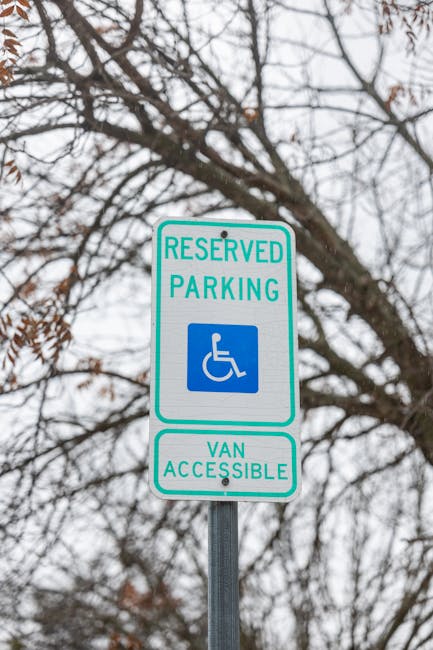
Common Mistakes to Avoid
The most common mistake is assuming parking will sort itself out on moving day. It often does not. A second common mistake is waiting until the day before to think about the road outside the property. By then, your options are much thinner.
Here are the issues we see most often:
- Not checking the exact street restrictions and assuming all roads work the same way.
- Booking the van before checking access, then realising there is nowhere sensible to stop.
- Underestimating loading time, especially for flats and properties with stairs.
- Forgetting about neighbours and traffic flow, which can create avoidable tension.
- Ignoring the weather. Rain, icy patches, and muddy paths can slow everything down and make loading more awkward.
- Assuming bulky items will be easy later. If something is awkward in the lounge, it will still be awkward by the van.
There is also a bigger mistake: trying to solve every moving problem with one generic answer. A student move, an office relocation, and a family house move all need different planning. If you are unsure which type of support fits your situation, it is worth comparing options like student removals Grange Park, office removals Grange Park, and removal companies Grange Park.
One more small thing: do not treat packing materials as an afterthought. Spare tape, labels, and sturdy boxes keep the loading process moving. If you need a refresher, packing and boxes Grange Park is a sensible place to start.
Tools, Resources and Recommendations
You do not need a complicated toolkit to handle parking-related move planning well. You just need a few reliable habits and the right information in one place.
- A notebook or move checklist for recording parking notes, timings, and contact details
- A phone camera to photograph signs, bay markings, or anything unusual around the property
- Measuring tape for checking furniture and door widths, especially in flats
- Labels and coloured tape so the unloading order is obvious
- Box counts and item notes for keeping the move organised without re-opening every carton twice
- Route awareness so the driver knows whether the van can approach from one side only
For planning support, these pages can be particularly useful: services overview for the broad picture, pricing and quotes for budgeting expectations, and removal van Grange Park if you want to understand the vehicle side of things. If you are trying to keep a move economical, avoiding common pricing surprises with local Grange Park movers is a genuinely useful read.
For storage or staggered move plans, the following can also help: storage Grange Park and long-term storage advice for sofas. Sometimes the cleanest move is not the one that happens all at once. Sometimes it is the one that happens in sensible stages.
Law, Compliance, Standards, or Best Practice
Parking and loading for removals sits in a space where local rules, road restrictions, and practical judgement all meet. You do not want to assume that a van can stop anywhere for however long you like. In the UK, parking and waiting controls are there to protect traffic flow, pedestrian safety, and local access. That means movers need to work with the rules rather than around them.
Best practice is straightforward: check the street signs, understand the restriction window, allow enough time for loading, and make sure the vehicle is placed safely and legally. If a permit or bay arrangement is needed, do not treat it as optional paperwork. For a removal, it is operational planning. Small difference in wording, big difference in outcome.
There are also duty-of-care considerations. A moving team should avoid blocking driveways, obstructing emergency access, or forcing pedestrians into the road. It sounds obvious, but on a busy day with boxes stacked to the ceiling, obvious things get missed. That is why clear access planning matters so much.
Where health and safety is concerned, sensible lifting, clear walkways, and properly secured loads are part of normal professional practice. If you want more detail on how a responsible mover thinks about risk, the pages on health and safety policy and insurance and safety are useful context.
Best practice also extends to conduct. A removal should be organised, respectful, and minimally disruptive. That includes working cleanly, communicating clearly, and not treating the street like a private work zone. Simple, but that is the standard worth aiming for.
Options, Methods, or Comparison Table
Not every move needs the same approach. The right choice depends on street access, vehicle size, timing, and how much lifting is involved. Here is a straightforward comparison to help you think it through.
| Option | Best for | Pros | Watch-outs |
|---|---|---|---|
| Unrestricted curbside stop | Quiet streets with clear legal stopping space | Quick, simple, usually minimal setup | May not be available when you need it |
| Loading bay or short-stay arrangement | Fast moves with controlled timing | Good for efficient loading and unloading | Time limits may be tight |
| Permit or bay suspension | Busy streets and longer loading windows | Greater certainty and closer access | Needs planning and may involve advance request |
| Remote park-and-carry | When close parking is impossible | Flexible if nothing else is available | Slower, more tiring, more handling risk |
For most Grange Park removals, the ideal option is the one that keeps carrying distance short without creating parking trouble. If the road layout is awkward, sometimes a slightly smaller van is the smarter choice. A larger van sounds efficient until you are trying to wedge it into a space that should have been left for a car. Happens all the time.
Case Study or Real-World Example
Consider a fairly typical local move: a two-bedroom flat in Grange Park, a top-floor walk-up, a narrow road outside, and a removal booked for a weekday morning. The client assumed the van could stop right outside because there were cars parked there most days. In reality, the space turned over quickly, the closest bay was controlled, and the team would have had to carry everything farther than expected.
Instead of leaving it to chance, the move was planned with a backup option. The packing was finished the night before, the heaviest items were grouped near the exit, and the driver was briefed on where to wait if the first bay was occupied. The result was not dramatic. Which is exactly the point. The move stayed calm, the lifting distance stayed manageable, and nobody had to do that awkward half-jog with a box full of plates.
That sort of planning is especially valuable for items with awkward shapes or weight. Beds, wardrobes, and sofas can turn a routine move into a slow one if parking is poor. For a more focused example of that kind of challenge, see moving your bed and mattress. It is a good reminder that access and handling go hand in hand.
In another move, an office relocation in the same area benefited from splitting the job into two stages: early loading of non-essential items, then a second pass for desks and IT equipment once the access point was clear. Not glamorous, but effective. The smaller the surprises, the smoother the day.
Practical Checklist
Use this checklist before move day. It is simple, but it catches a lot.
- Confirm the move date and arrival window
- Inspect the road outside the property at the same time of day as the move
- Check for resident bays, yellow lines, loading restrictions, and access signs
- Decide whether a permit or bay arrangement is needed
- Identify a backup parking spot nearby
- Measure large items and doorways
- Clear hallways, stairs, and the loading route
- Label boxes by room and priority
- Tell neighbours or building management if access may be affected
- Keep a phone charged for driver updates
- Set aside essentials separately so they do not get buried in the van
- Review insurance, terms, and safety arrangements before the job begins
If your move includes items you do not want to take straight away, or you need temporary space between addresses, it may be worth looking at storage Grange Park. Sometimes that extra breathing room makes the parking question easier too.
Get a free quote today and see how much you can save.
Conclusion
Enfield Council permit rules for Grange Park removals are not just a formality. They are part of what makes a move work in the real world. When parking, loading, timing, and access are considered properly, everything else tends to feel easier. The boxes move faster, the lifting is less stressful, and the day has a much better chance of staying on track.
If there is one takeaway, it is this: do not wait until moving morning to think about where the van will stop. Check the street, know the restrictions, build in a backup, and make the parking plan part of the move plan. That small bit of effort usually pays for itself many times over.
And once the last box is in, the kettle boils, and the house goes quiet for a moment, you will be glad you handled the fiddly bit properly.